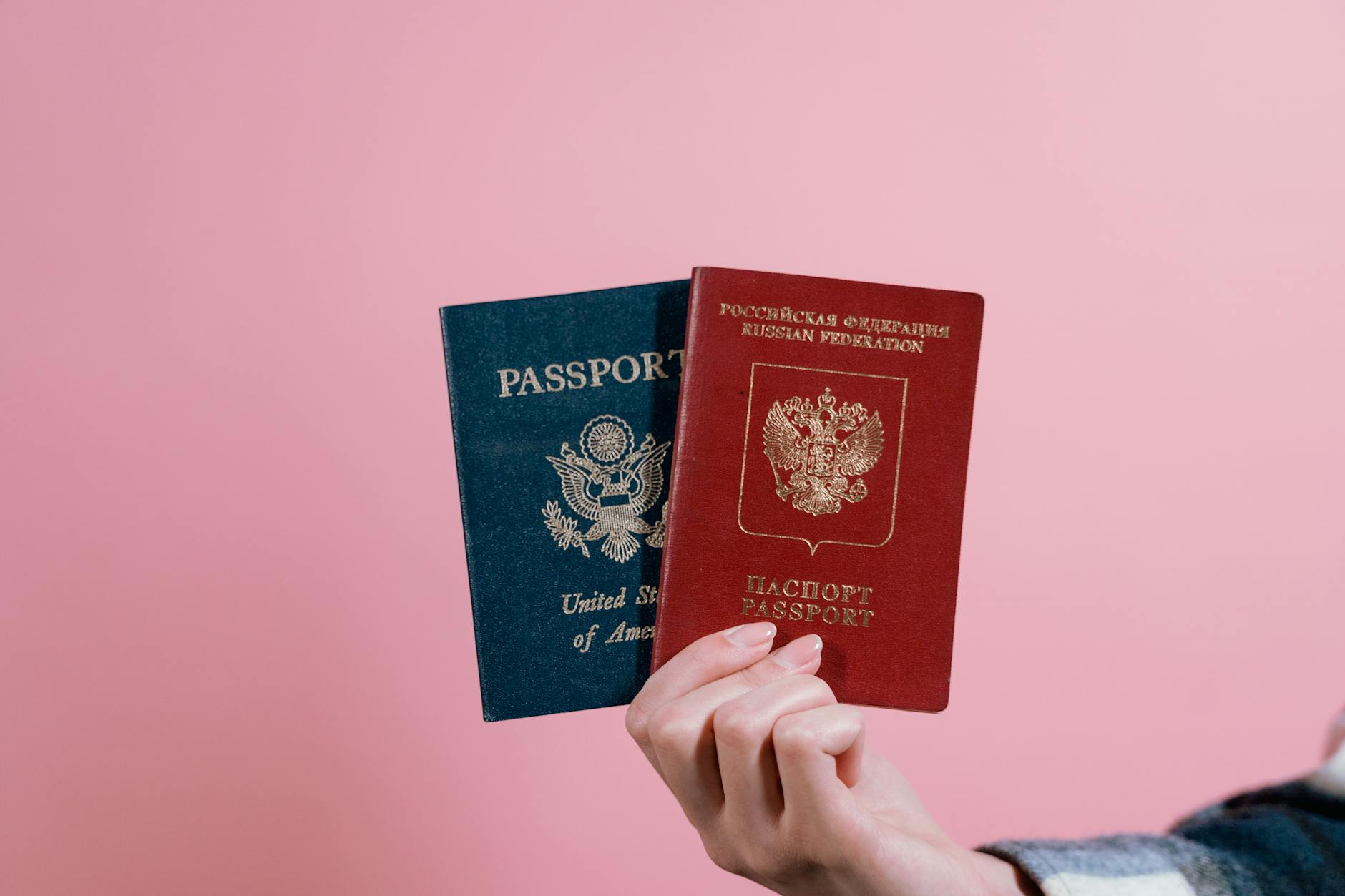

Thinking about moving to another country can stir up equal parts excitement and uncertainty—especially if your top priority is safety and stability. Many Americans are exploring life abroad because the atmosphere at home feels tense, they want a calmer day-to-day routine, or they’re seeking better long-term prospects for family and work. If that resonates, you’re in the right place. This article offers a clear, big-picture framework for planning an international move without getting lost in the weeds.
We’ll focus on practical ways to think through destination fit, legal status, finances, housing, and everyday safety—at a level that helps you act confidently while keeping options open. Along the way, we’ll mention the Moving Abroad from the USA Prep Guide as a tool to organize your plan, but the goal here is education first. By the end, you’ll have a calm, safety-first mindset you can apply to almost any country.
Why Safety-Motivated Emigrants Need a Plan (Even a Simple One)
When the motivation to relocate comes from rising political hostility, it’s natural to want quick answers. A simple plan—nothing fancy—helps you:
- Make steady progress instead of cycling through endless research.
- Avoid preventable stress, like unclear paperwork or rushed choices.
- Protect your options, so you’re not locked into one path or timeline.
Think of your plan as a compass, not a blueprint: it points you in the right direction and gives you confidence to adjust as you learn more.
Choosing Where to Go: A Three-Part Lens When Moving to Another Country
You don’t need a perfect destination. You need a sensible fit. Use this high-level lens to evaluate any country:
Practical Fit
- Does the country offer visa categories that broadly match your situation (work, study, family, business, long-stay)?
- Will everyday life be manageable with your language skills and cultural expectations?
- Are the basic requirements for living there clear enough to follow with patience and organization?
Safety & Stability
- Is the general climate predictable and relatively calm?
- Are institutions—like courts, regulators, and public services—considered reliable?
- Do infrastructure and services support a low-drama life (transport, health access, routine errands)?
Lifestyle & Costs
- Can you picture a routine that feels grounded—housing, groceries, schools, transit?
- Do you have access to a community or networks that share your values?
- Is the overall cost of living aligned with your income and savings?
Keep it simple: shortlist a few countries that pass this lens, when moving to another country continue researching only those. If one stops making sense, set it aside without second-guessing yourself.
Legal Basics for Moving to Another Country: Passports, Visas, Compliance
You don’t need to master immigration law to act wisely. Focus on high-level alignment:
- Pick one visa path that matches your real plans. Avoid mixing rules from multiple categories.
- Organize core documents (identity, finances, background, health) in one place—both digital and physical.
- Track commitments and dates as a habit, not a scramble. Consistency is more protective than speed.
- Confirm details on official sources whenever something seems unclear—trust clarity over shortcuts.
Where it fits: The Moving Abroad from the USA Prep Guide helps keep documents, notes, and checkpoints together so you can stay consistent without micromanaging every step. And stay a step ahead of each curve with REAL WORLD TIPS from experienced travelers.
A Phased Approach to Moving to Another Country (Without Rushing)
A phased mindset keeps you sane. Instead of a rigid schedule, use a sequence that scales to your life:
Explore
Gather broad information about a couple of countries that pass your lens. Listen for patterns: what seems straightforward, what seems confusing, what aligns with your goals?
Decide
Commit to one primary path and one backup. Make peace with the idea that “good enough” is better than “perfect later.”
Prepare
Collect and organize the documents most places generally expect. Label everything clearly. If a task seems complex, break it into smaller, named steps.
Apply
Follow the process steadily. Be neat, honest, and complete. Document what you sent and when.
Pre-Move
Line up the basics that make the first weeks workable—temporary housing, phone/data, and a way to pay for essentials.
Arrival
Focus on anchoring your daily life first: an address, basic services, and a comfortable routine. Let the country become familiar before making long commitments.
Money & Logistics: Keep It Predictable
A calm move is usually a budgeted move. You don’t need exact numbers to benefit from structure:
- Group costs into a few buckets (paperwork, travel, housing, setup, buffer).
- Separate one-time from monthly so you see what’s temporary and what’s ongoing.
- Build a cushion that fits your comfort level; more margin equals less stress.
- Use accounts and cards that travel well and don’t rely on a single provider.
- Track what you pay and why—it helps you make smarter choices and spot surprises early.
Everyday & Digital Safety: Quiet Confidence
Most stress fades when you handle a few fundamentals:
- Reliable communication (local number, messaging app, saved emergency contacts).
- Document backups (scans in secure storage and a simple index so you can find things fast).
- Neighborhood awareness (get to know transit, grocery runs, and local rhythms).
- Account security (two-factor authentication and a password manager on your most important accounts).
- Health readiness (basic medical information handy and a plan for routine care).
None of this requires specialized knowledge—just steady attention. Moving about in a new country will require attention to details. Especially if you need directions.
Families and Dependents: Smooth Transitions Over Big Jumps
If you’re moving with children or other dependents, bias toward stability:
- Routines: keep familiar daily anchors early on—meals, bedtimes, screen rules.
- Records: keep school and health information organized and simple to share.
- Rhythm: give everyone time to learn the new environment before layering in big commitments.
Small wins matter: a reliable commute, a nearby park, a grocery store you like.
Housing: Start Flexible, Learn as You Go
You don’t have to lock in a long lease right away. Start with flexible options that let you learn:
- What neighborhoods feel comfortable at the times you’ll actually be there.
- How local housing norms work (deposits, inspections, expectations).
- Which conveniences matter more than you thought—and which don’t.
Let your first place teach you what your second place should be.
Stuff, Shipping, and Keeping Life Light
Moving across borders can tempt you to bring everything. Consider a lighter approach:
- Carry-on essentials give you peace of mind if plans shift.
- Ship selectively and only what adds real value to your daily life.
- Replace the rest locally once you understand space, voltage, and lifestyle fit.
The goal is control and comfort, not nostalgia.
Trial Stays & Soft Starts (If You Can)
A short visit before committing can reveal more than months of reading:
- Try the commute you’d actually use.
- Explore neighborhoods at the hours you’d be out.
- Observe how people queue, pay, and interact—small cues help you adapt faster.
If a trial isn’t realistic, a “soft start” works too: arrive with flexible housing and give yourself breathing room to look around. Moving to a new country can be challenging to navigate.
Common Missteps When Traveling—and Gentler Alternatives
- Endless research loops → Define what “enough to decide” looks like, then decide.
- Mixing advice sources → Let official information be the tie-breaker.
- All-or-nothing thinking → Keep a backup destination or a return plan.
- Over-engineering the plan → Favor clarity and routine over hyper-detailed checklists.
- Rushing commitments → Learn on the ground before signing long agreements.
Progress beats perfection, especially when safety and calm are your priorities.
Where the “Moving Abroad from the USA Prep Guide” Helps
If you prefer structure without micromanagement, the Moving Abroad from the USA Prep Guide gives you:
- A friendly place to organize what matters most.
- Plain-language explanations that cut through noise.
- Space to record decisions, documents, and next steps as you move forward.
Use it to stay oriented, not overwhelmed. It complements official sources and keeps your plan coherent as things evolve.
Conclusion: Smooth Moving to Another Country
Moving to another country isn’t about running from something—it’s about moving toward a life that feels safer, steadier, and more aligned with your values. You don’t need complex playbooks to get there. A clear lens for picking destinations, a consistent approach to legal status, simple money habits, flexible housing choices, and steady everyday safety add up to real confidence.
If you want a little extra structure, explore the Moving Abroad from the USA Prep Guide for an organized way to keep notes, documents, and decisions in one place. Whether you lean on a guide or a notebook, a calm, phased approach will help you navigate change without losing your footing—and that’s the point of a safety-first move.