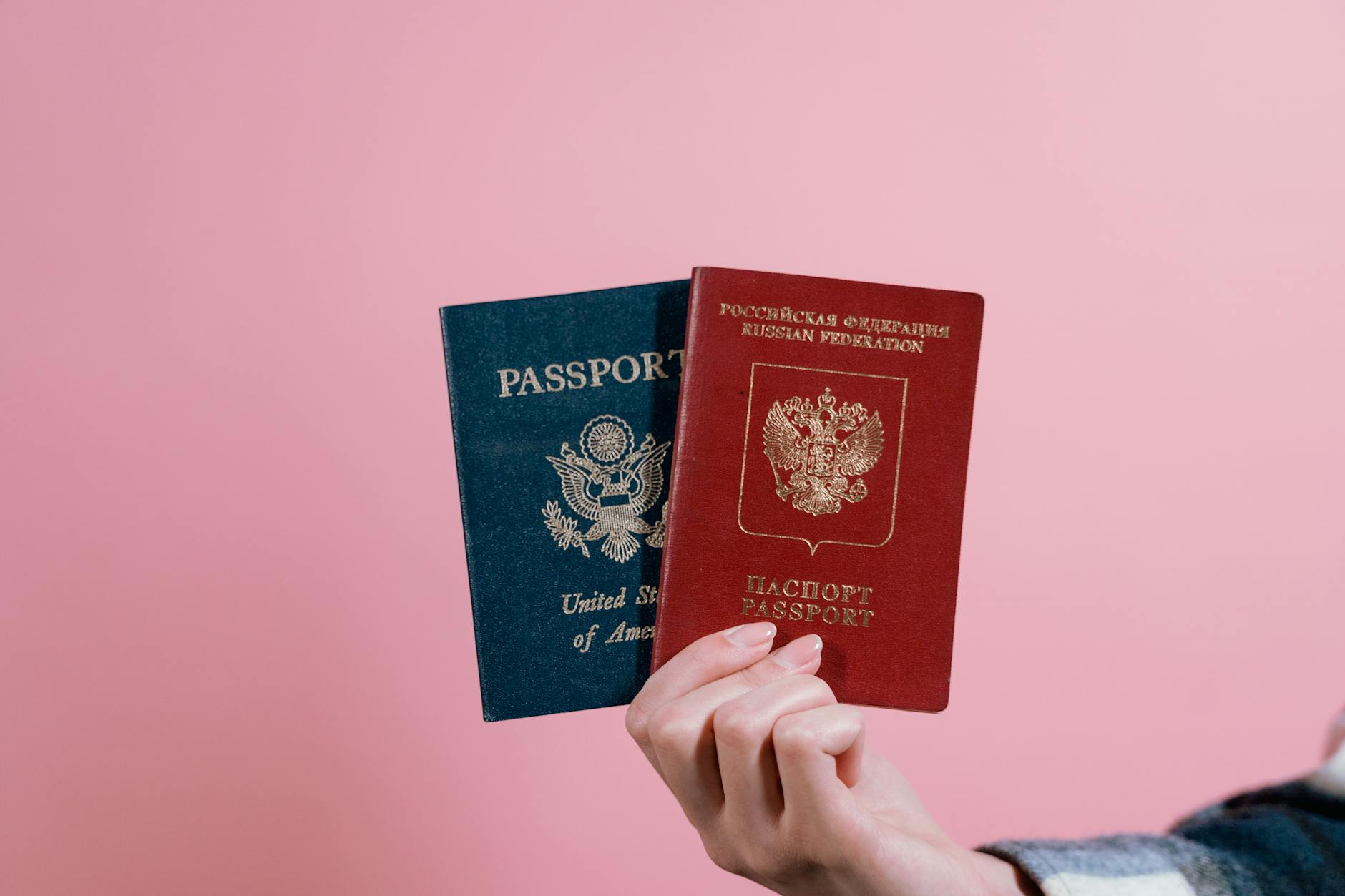
Passport vs Visa: What’s the Real Difference? of your passport as your identity card on the global stage. It’s issued by your country and shows who you are, your nationality, birthdate, photo, etc. When you travel internationally, your passport is the document that proves you belong to a particular country as explained by Envoy Global. Here you will see the difference between a passport and a visa to make a determination of which to chose or both.
A visa, on the other hand, is more like permission granted by a foreign country to enter, stay, or transit through their territory for a certain purpose and length of time. It often comes in the form of a stamp, sticker, or electronic record attached to your passport. Having your passport is necessary during international travel.
So:
- Passport = Your travel ID, issued by your home country
- Visa = Permission from the destination to visit (for tourism, work, study, etc.)
You’ll often need both when traveling abroad — a valid passport and a visa (depending on where you’re going and why).

When Do You Need a Visa?
Not everywhere wants to make it complicated for travelers — for many countries, citizens from certain nations are allowed visa-free entry (or visa-on-arrival). But in other cases, a visa is required in advance.
Here’s when you might need one:
- Destination requires it. Some countries demand travelers hold a visa before arrival — this is very common.
- Purpose matters. Going for tourism might require a different visa than going for work, study, or business.
- Duration matters. Even if tourism entry is allowed, staying long (or working) may require a special visa.
- Transit/stopovers. Sometimes if you’re passing through a country, you’ll need a transit visa.
- Special categories. Diplomats, students, employees — each may need a special visa type.
For U.S. citizens — or really anyone — a good way to check visa requirements is via your destination country’s embassy/consulate, or sites like the U.S. State Department’s “Learn About Your Destination.”
Let’s See a Side-by-Side
Here’s a quick comparison to help see the distinction clearly.
| Feature | Passport | Visa |
|---|---|---|
| Who issues it | Your own government | The country you want to visit |
| Purpose | Identity, nationality, travel across borders | Permission to enter, stay, or work (subject to rules) |
| Validity | Usually multiple years (e.g. 5 or 10) | Often limited (months, a few years, single or multiple entry) |
| Always needed? | Yes, for almost all international travel (with few exceptions) | Sometimes, depending on destination and purpose |
| Can be “free” / visa-free | You may not need a visa for some countries | Some countries allow entry without visa or provide visa on arrival |
Some Real-World Examples
- If you’re a U.S. citizen traveling to France for vacation, you need a valid U.S. passport. But you don’t need a visa (for short stays) because the U.S. is part of visa-waiver agreements with many countries.
- If you’re heading to a country like China or India for tourism, you’ll likely need to apply for a visa before traveling.
- If you plan to work abroad, you’ll almost always need a work visa — you can’t just use a tourist visa for employment.
- Sometimes countries allow visas on arrival or eVisas (apply online) so you don’t have to go to an embassy in person.
Passport vs Visa: What’s the Difference and When You Need Each
Because both relate to travel, people often say “visa” when they mean “passport,” or vice versa. Plus:
- Some travelers assume once you have a passport, you’re good everywhere (not true).
- “Visa-free” travel sounds like no documents needed — but you still need a passport.
- The rules change often, especially between countries — what was visa-free one year might not be the next.
- To stay on the safe side its recommended to view Move Abroad From the USA info.
Tips & Hacks Before You Travel
- Check both passport and visa requirements early. Don’t wait until the last minute.
- Make sure your passport is valid long enough. Some countries require your passport to be valid six months past your trip.
- Know the visa rules for your purpose. If it’s work, study, internship — you may need a special visa, not just a general “tourist visa.”
- Use official sources. Embassy or consulate websites, or government travel advisory pages, are best.
- Watch for eVisas or visa on arrival options. Many countries now make things easier.
- Keep copies. Scan your passport and visa pages and keep digital backups — handy in case of loss or theft.
Passport vs. Visa: The Basics
- A passport proves who you are and where you come from.
- A visa is permission from another country to enter, stay, or do something specific there.
- Even if a visa isn’t required (thanks to agreements or visa-free status), a valid passport nearly always is.
- Always double-check rules for your specific trip — destination, duration, reason — because that determines whether you need a visa.